Korea Attractions · One a Day
Where to today?
A hand-written guide to Korea's best places, with photos. A new 'today's pick' every day, each with visitor tips, a map, and comments from other travelers.
Today's Pick
One place a day — today's recommendation
All Attractions
 Jeolla · Nature & Scenery
Maisan
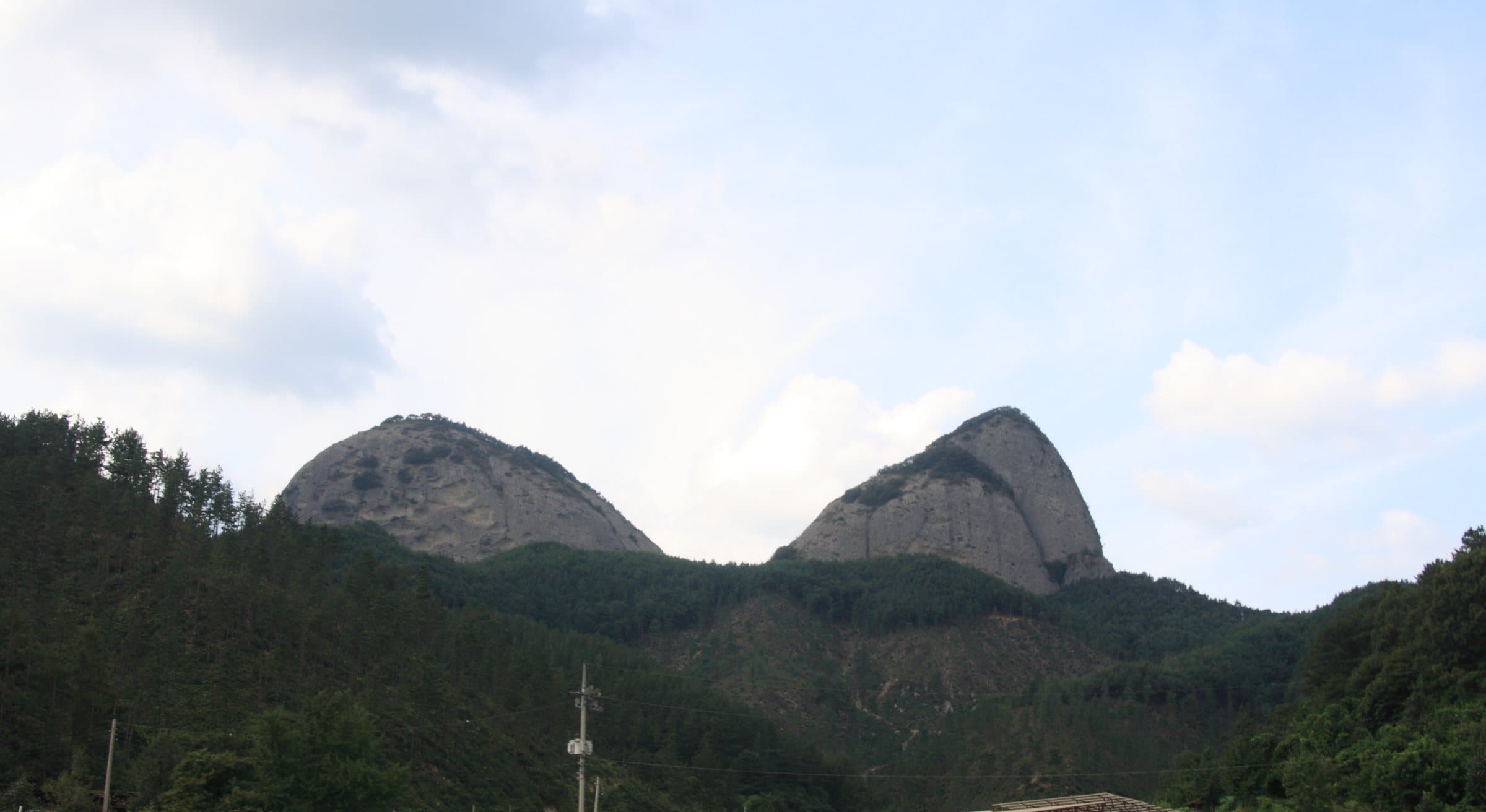
Maisan, in Jinan, North Jeolla, takes its name from two rock peaks rising side by side like a horse's ears. Amid otherwise soil-covered hills, only these two stand exposed in pale grey stone, recognisable at a distance in a single glance. Their surfaces are pocked as though studded with pebbles — because the mountain is conglomerate, gravel cemented into rock.
 Jeolla · Palace & Heritage
Soswaewon Garden
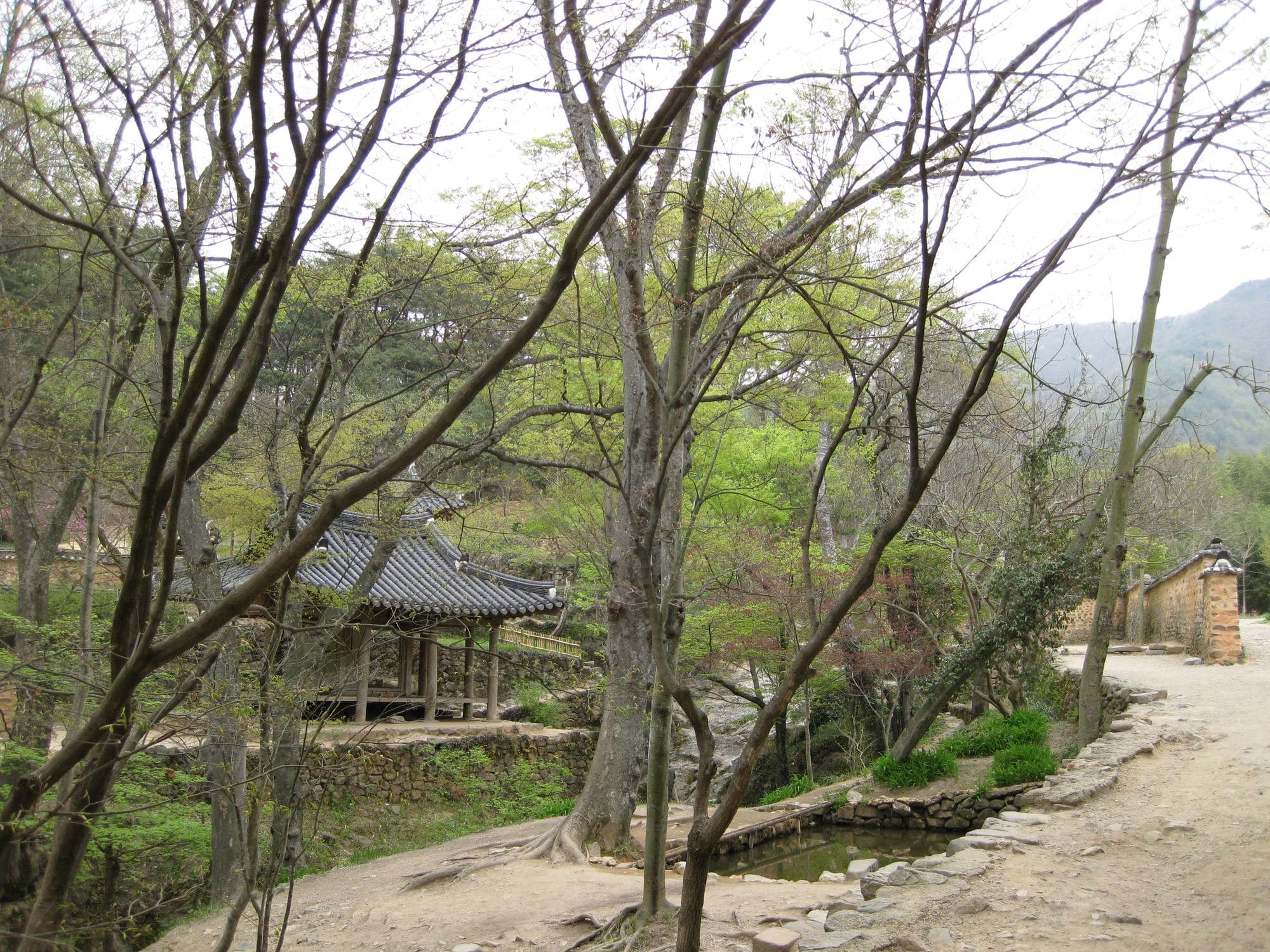
Soswaewon, in Damyang, South Jeolla, is a private garden from the Joseon period, and its method is unusual. Rather than levelling ground and digging a pond to compose a new landscape, it leaves the existing stream, rocks and trees in place and sets a few buildings and walls among them. The defining move is letting the valley water run under the wall and straight through the middle of the garden.
 Jeolla · Nature & Scenery
Naejangsan
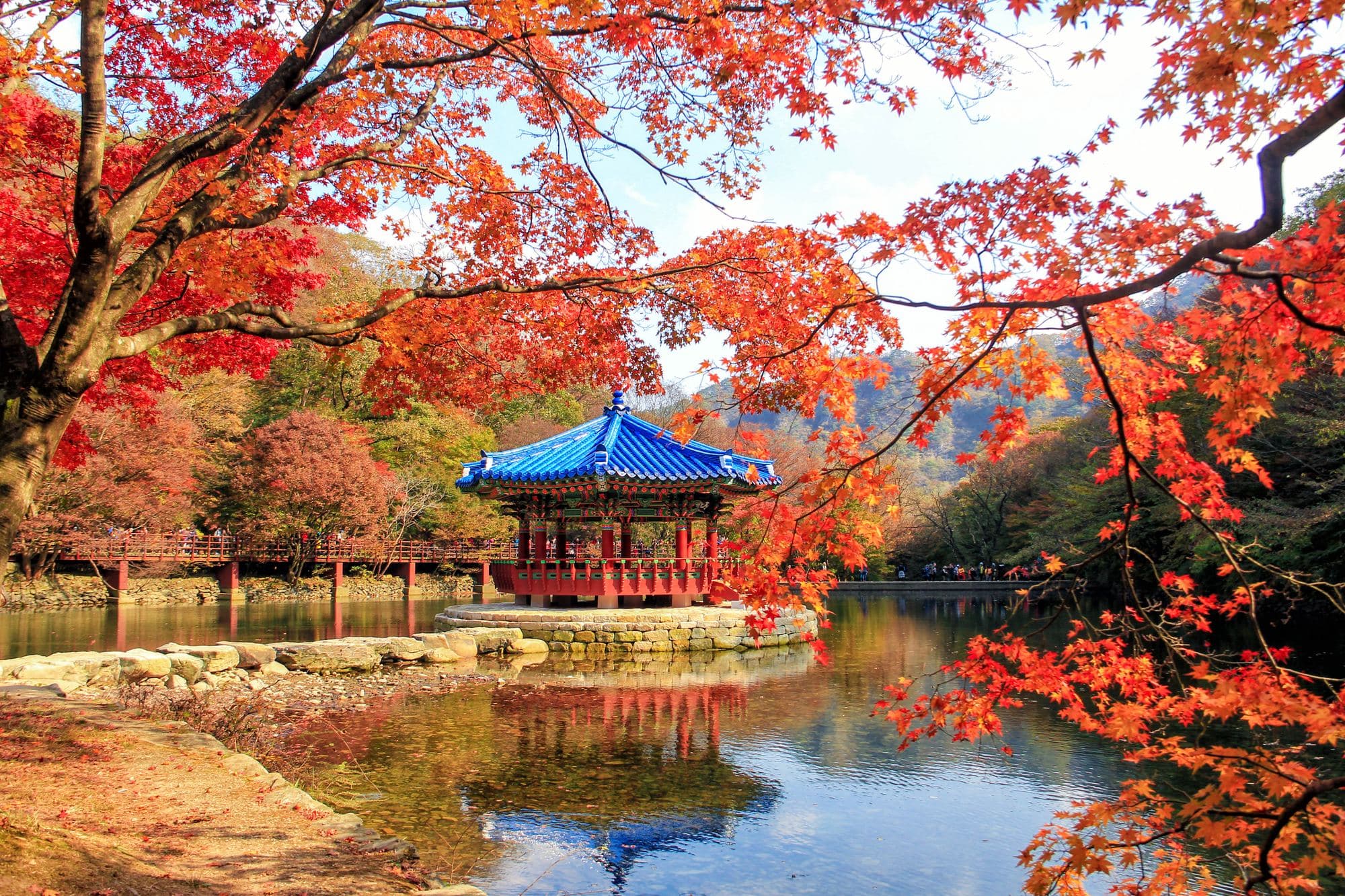
Naejangsan, in Jeongeup, North Jeolla, is among the best-known places in Korea for autumn colour. Its peaks curve inward in a ring, so the valleys run deep and maples grow thick inside them. The pavilion Uhwajeong standing over a valley pond, ringed in red, is the image the mountain is known by. Peak colour usually falls between late October and early November.
 Gyeongsang · Nature & Scenery
Daewangam Park
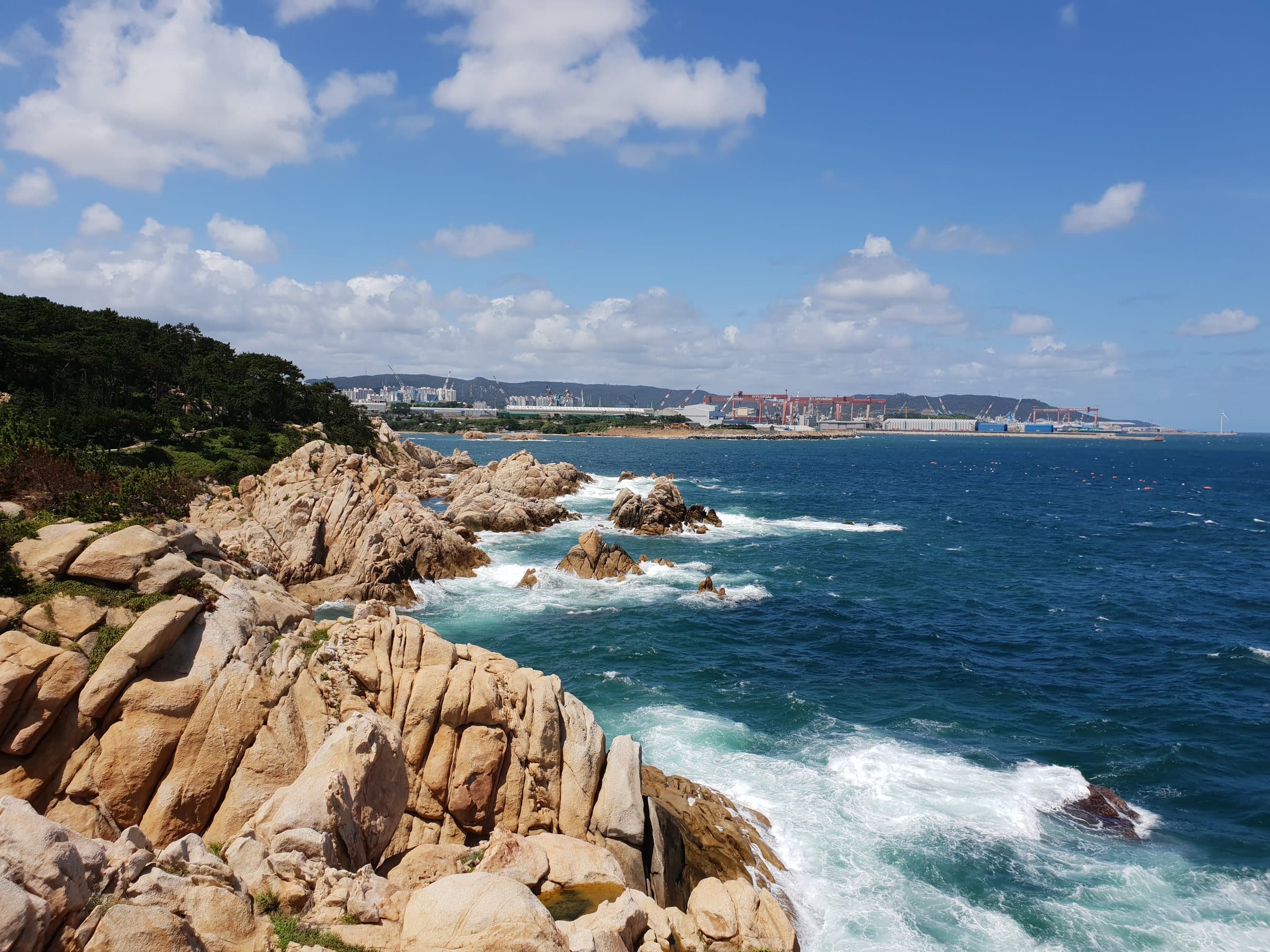
Daewangam Park sits at the eastern edge of Ulsan, on ground where rock pushes out into the sea. Reddish granite masses, cut by the waves, stand up in jagged ranks with water breaking white between them. Inland the park is an old pine grove, so walking through the trees and out to the rocks changes the view entirely. Shipyard cranes on the horizon quietly say what kind of city Ulsan is.
 Gyeongsang · Palace & Heritage
Pagyesa Temple, Palgongsan
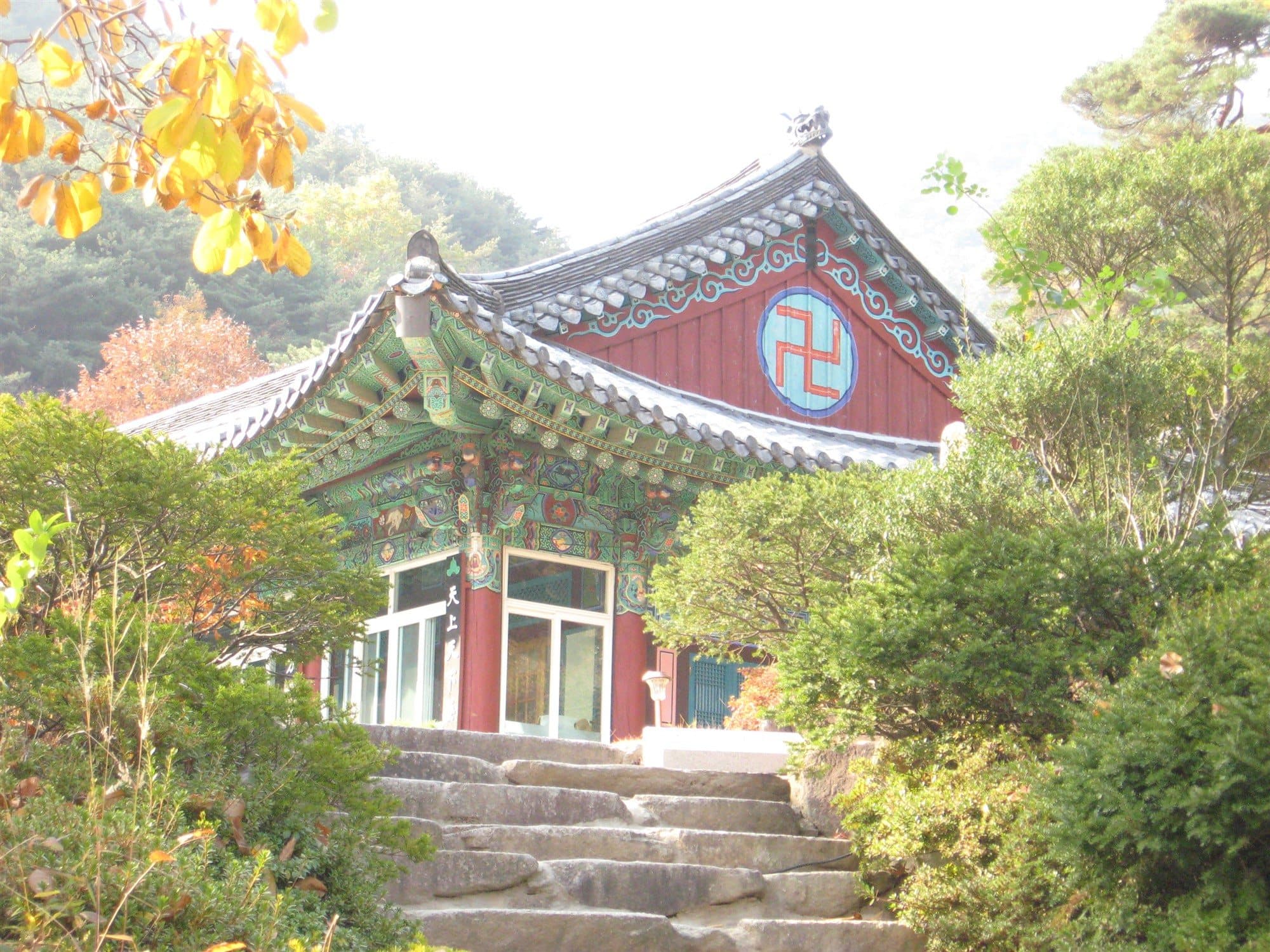
Pagyesa is a temple on the slopes of Palgongsan in Daegu. The pagye in its name does not mean breaking monastic precepts; it is read as holding together water that scatters into nine branches. The account preserved in the name is that the temple was founded to keep the mountain's water from leaking away in every direction. Palgongsan wraps around Daegu like a folding screen, so the temple feels deep in the mountains while sitting close to the city.
 Gyeongsang · Nature & Scenery
Upo Wetland
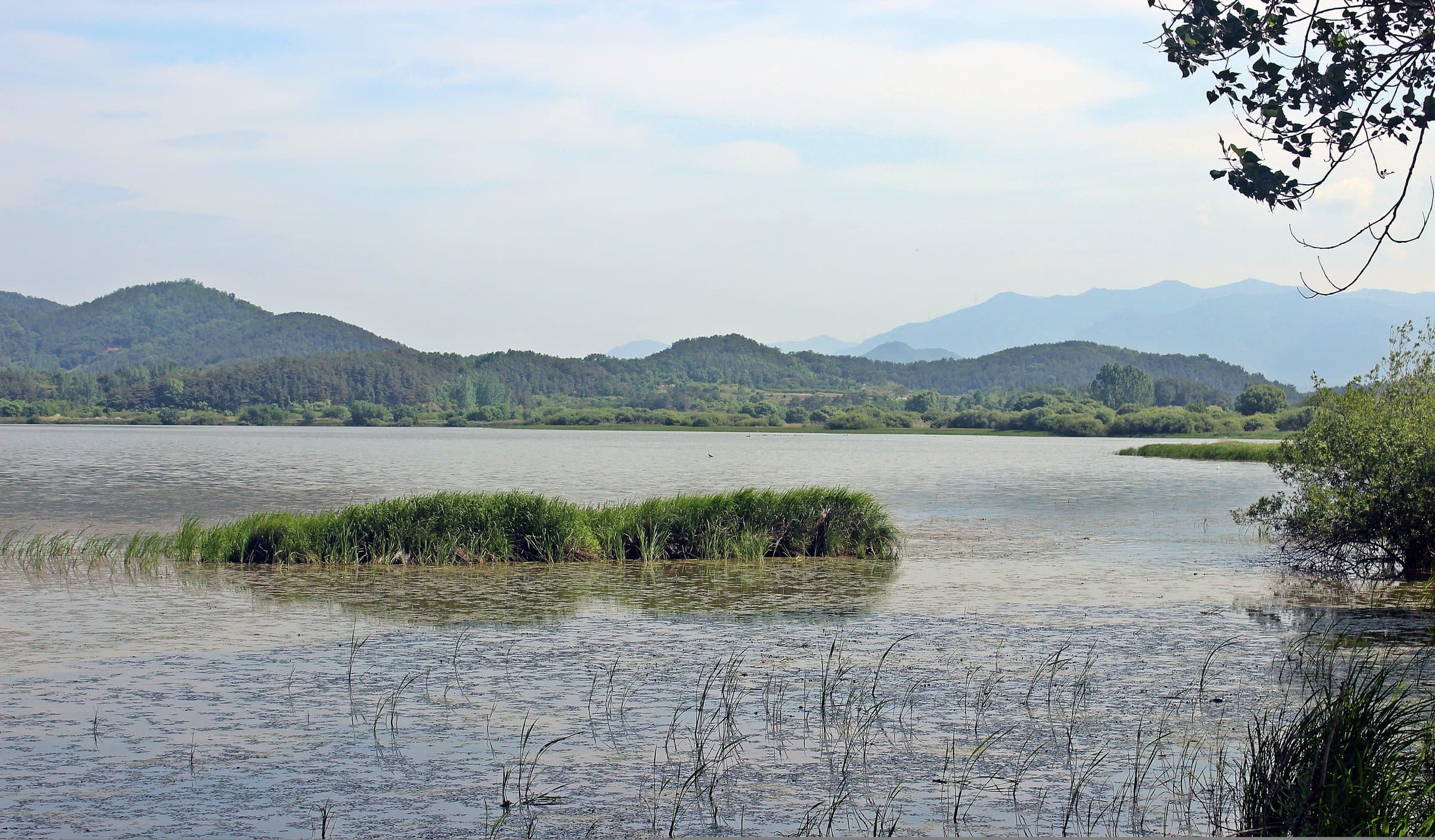
Upo is the largest natural inland wetland in South Korea, in Changnyeong, South Gyeongsang. It is not a reservoir but water left behind as the Nakdong River shifted its course and then held in place for a very long time, so the landform itself is old. Rafts of grass float on the surface with birds settling among them, the scene changing with the season, and winter brings a large increase in migratory birds.
 Jeolla · Culture & Streets
Nagan Eupseong Folk Village
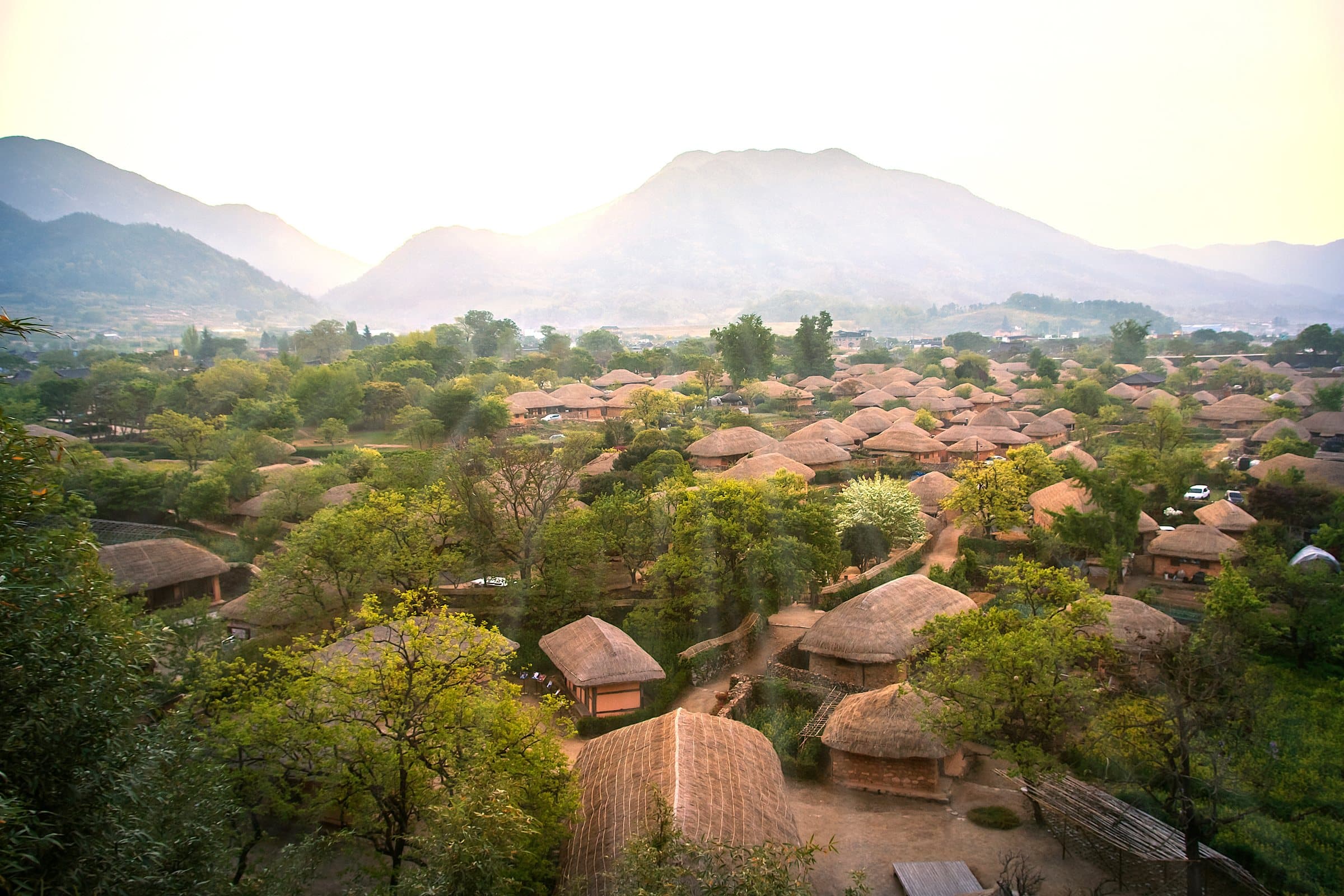
Nagan Eupseong is a Joseon-era walled town that survives with both its ramparts and its village intact. What sets it apart from other folk villages is that people still live here. Over a hundred thatched houses stand in rows — not exhibits but residents' homes, with laundry hanging in the yards and jars of fermenting paste on the terraces. Walk the top of the wall and you see the whole village with the mountains behind it.
 Busan · Landmark & View
Gwangan Bridge
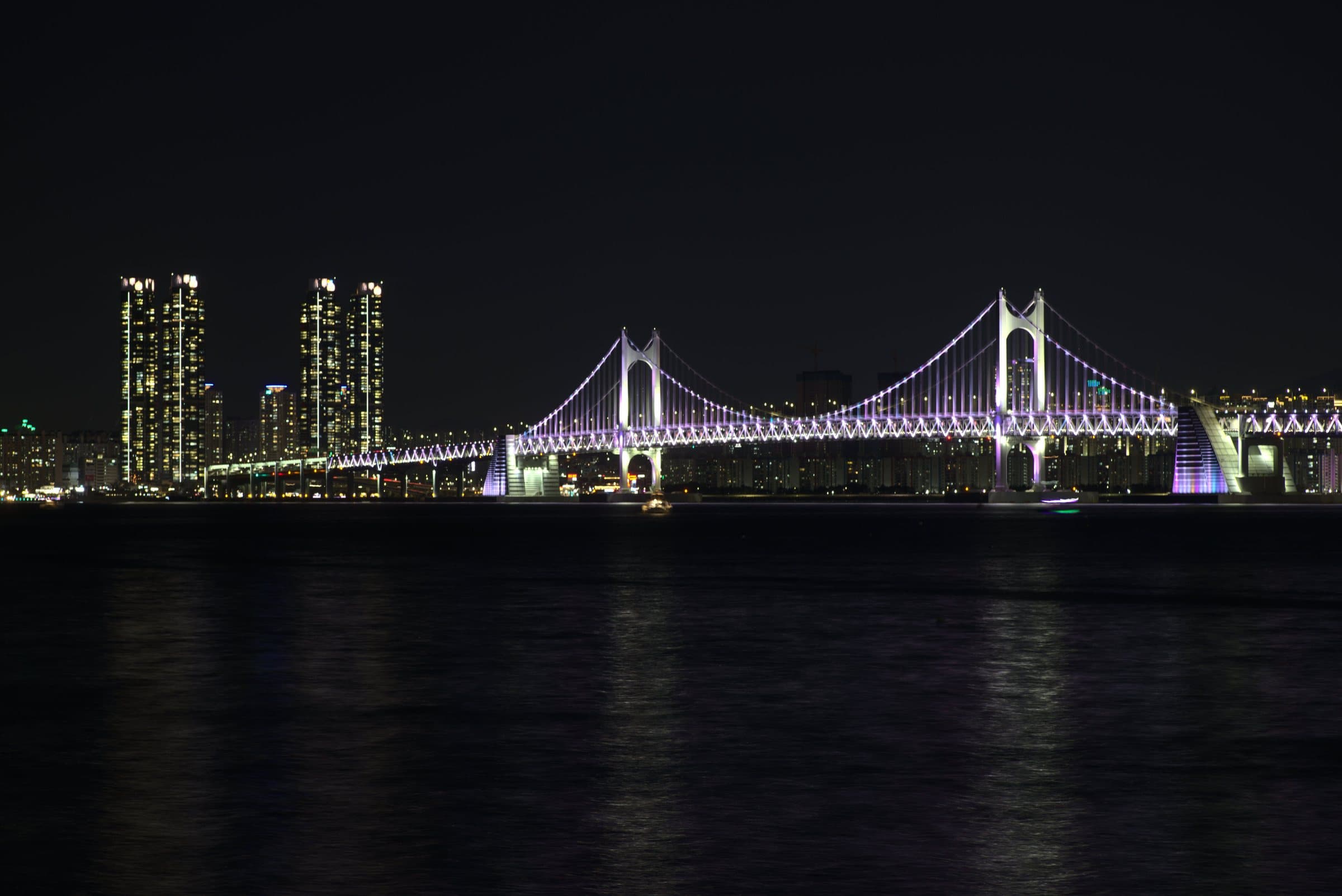
Gwangan Bridge is a suspension bridge over the sea linking Suyeong-gu and Haeundae-gu in Busan. It opened in 2003 and runs over 7.4 kilometres. By day it is simply a large bridge; once the sun sets and the lighting comes on it becomes something else entirely. Seen from Gwangalli Beach it stretches across like a horizon line with the towers of Marine City behind it — the composition that defines Busan's night view.
 Jeolla · Nature & Scenery
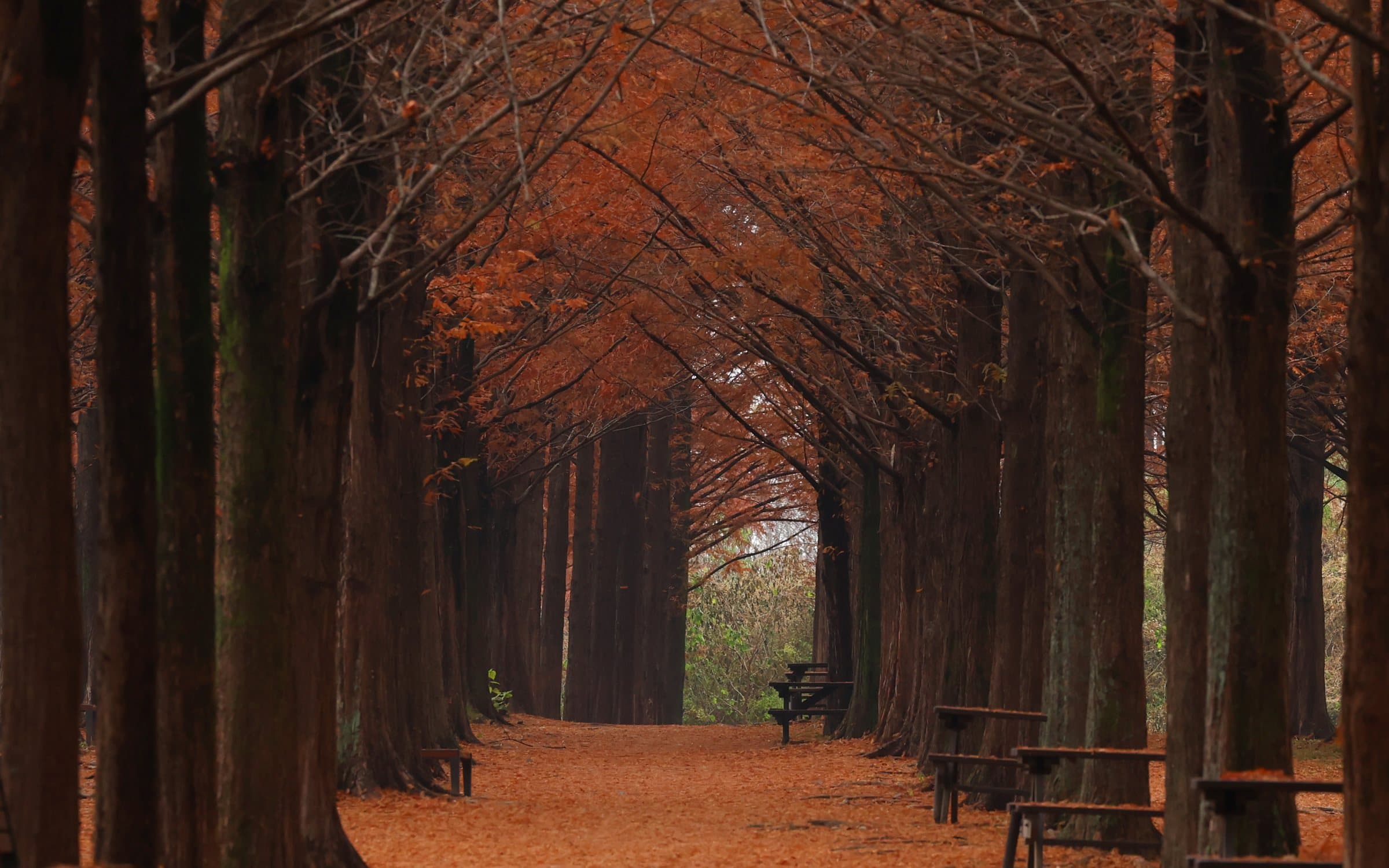
Damyang Metasequoia Road
The Damyang Metasequoia Road is what grew out of street trees planted in the 1970s. The rows on either side met overhead into a tunnel, and beneath it runs a straight two-kilometre walking path. It was a national highway carrying traffic until a bypass was built; cars were then shut out and the road converted to a footpath — so the scene today is not a planned attraction but what remained when a road changed jobs.
 Jeju · Nature & Scenery
Jusangjeolli Cliff
Columnar jointing is the cracking that forms when lava cools and contracts. Along the coast at Daepo-dong in Seogwipo, Jeju, those hexagonal columns rise into a cliff that meets the sea. The regularity looks carved, but all of it is natural, and when waves strike the base the water throws up in spouts. A boardwalk runs along the top, so you view it looking down from the cliff.
 Gyeongsang · Palace & Heritage
Woljeonggyo Bridge
Woljeonggyo is a reconstruction of a Unified Silla bridge over the Namcheon stream in Gyeongju. Records place the original at 760 CE; for centuries only the stone piers remained in the water until excavation and research led to the present structure, completed in 2018. Roofed and topped with pavilions, it reads more as a building than a crossing, and once the lights come on at dusk the reflection doubles it into one of Gyeongju's defining night scenes.
 Gyeongsang · Palace & Heritage
Daereungwon Tomb Complex
Daereungwon is a cluster of twenty-three Silla-era tombs sitting in the middle of central Gyeongju. They read less as graves than as smooth grassy hills, with walking paths threading between them. One of them, Cheonmachong, was excavated and opened, so you can go inside and see the structure — and the painted heavenly horse found there gave the tomb its name. A cityscape with a burial mound field left intact inside it exists nowhere else in Korea.
 Seoul · Palace & Heritage
Jongmyo Shrine
Jongmyo is the shrine housing the spirit tablets of Joseon kings and queens. If a palace is a space for the living, this is a space for the dead, which is why the buildings carry almost no painted decoration and the ornament is deliberately restrained. The main hall, Jeongjeon, was extended sideways each time tablets were added, ending up over 100 metres long — the longest single traditional wooden building in Korea. It was inscribed as a UNESCO World Heritage Site in 1995.
 Seoul · Landmark & View
Cheonggyecheon
A restored stream cutting east to west through central Seoul. Covered over from 1958 and buried beneath a road and an elevated expressway, it was reopened as water in 2005 after demolition work began in 2003. It starts at a waterfall near Gwanghwamun and runs about 11 km, and because the walkway sits below street level, traffic noise drops noticeably even in the middle of downtown.
 Gyeonggi · Culture & Streets
Incheon Chinatown
Korea's oldest Chinese quarter, formed after Incheon port opened in 1883 and a Qing concession was set the following year. Past the red paifang gate the street climbs a hill lined with Chinese restaurants and bakeries, and the claim that jajangmyeon began here has become the identity of the whole neighbourhood. It sits directly opposite Incheon Station, reachable from Seoul on Line 1.
 Gangwon · Culture & Streets
Anmok Beach Coffee Street, Gangneung
It all started, oddly enough, with beachside coffee vending machines. The spot where people sipped machine coffee facing the sea in the 1980s has grown into a pilgrimage site of Korean coffee culture, lined with dozens of roastery cafes. A hand-dripped cup with the East Sea filling the window — that's the official Gangneung experience. Every October the Gangneung Coffee Festival takes over the area. Sea plus specialty coffee, about two hours from Seoul by KTX.
 Jeolla · Nature & Scenery
Odongdo Island, Yeosu
Free entry, open 24 hours, yet it delivers like a paid attraction — that's Odongdo's unfair advantage. The trip starts the moment you walk the 768m breakwater to the island, where some 3,000 camellia trees set the whole place ablaze in red from winter through spring. Bamboo tunnels, a lighthouse observation deck, dramatic sea cliffs — the full loop takes just over an hour. Too lazy to walk in? Hop on the camellia train.
 Jeolla · Nature & Scenery
Boseong Green Tea Fields (Daehan Dawon)
That iconic scene of green terraces blanketing an entire hillside — the tea field you've seen in K-dramas and commercials is this one. Running since 1939 as Korea's largest tea plantation, the sheer scale is on another level, and the cedar-lined entrance path alone is worth the trip. May brings the Dahyang Tea Festival and winter brings a light festival among the tea rows. The green tea ice cream is not optional.
 Jeolla · Nature & Scenery
Suncheonman Bay Wetland
If Korea has one definitive reed field, this is it. A sea of reeds the size of hundreds of football pitches sweeps along an S-shaped tidal channel, and the sunset from Yongsan Observatory is the exact reason photographers drive across the country for this place. Green in summer, silver waves in autumn, flocks of hooded cranes in winter — the scenery reinvents itself every season. One combined ticket with the National Garden covers both sites on the same day, too.
 Gyeongsang · Palace & Heritage
Seokguram Grotto
An artificial stone grotto assembled from granite blocks by 8th-century Silla artisans — and people climb Tohamsan from all over the world to see the single seated Buddha inside. Together with Bulguksa Temple it was among Korea's first UNESCO World Heritage sites, and since 2023 admission has been free. The viewing itself is a brief walk-past behind a glass wall, yet many call those few minutes the peak of their Gyeongju trip. The 15-minute forest path from the parking lot to the grotto is a bonus.
 Gyeongsang · Palace & Heritage
Donggung Palace & Wolji Pond
Ask anyone about night views in Gyeongju and this is the first answer. The illuminated pavilions of this Silla royal villa reflecting on the pond is one of Korea's most photographed night scenes. Enter 30 minutes before sunset and you catch golden hour, blue hour, and full night lighting in a single visit. Open until 10 PM year-round, 3,000 won for adults. By day it's a modest historic site; by night it's the shot of your trip — timing is everything here.
 Jeju · Nature & Scenery
Cheonjiyeon Falls
Among all of Jeju's waterfalls, this is practically the only one you can see at night — it stays open until 10 PM with landscape lighting. Illuminated Cheonjiyeon feels completely different from its daytime self, perfect for an evening stroll if you're staying in Seogwipo. The 22-meter cascade drops into a deep pond, and the name literally means 'pond where heaven meets earth.' The flat walkway through subtropical forest works for strollers and grandparents alike, and at 2,000 won admission it's a bargain.
 Busan · Culture & Streets
Haedong Yonggungsa Temple
Forget the mountain-temple stereotype — this one sits on ocean cliffs in Gijang, Busan, with waves crashing right below the halls. Entry is free, and it opens before dawn, making it a legendary sunrise spot. The moment you descend the 108 steps and the sea keeps getting closer is the highlight. Local lore says it grants at least one wish, so people pray like they mean it.
 Gyeonggi · Landmark & View
Everland
Everland opened in 1976 and celebrates its 50th anniversary in 2026 — it's Korea's biggest theme park by a comfortable margin. The wooden coaster T Express, with its 77-degree first drop, is widely rated the most thrilling ride in the country. Add Panda World, a safari, and huge seasonal gardens, and both the scream-chasers and the stroll-and-photo crowd leave happy. The list price for a one-day adult ticket is ₩68,000, but card promotions and afternoon passes cut that dramatically. You can reach it from Seoul by rail plus free shuttle — just budget a good hour and a half.
 Seoul · Culture & Streets
Insadong
Insadong is Seoul's traditional culture street — brush shops, hanji paper stores, antiques, and galleries lined up along one walkable strip. On weekends the entire street goes car-free, perfect for a slow wander. The classic route: browse handmade souvenirs at the spiral-shaped Ssamzigil mall, then wind down with a cup of jujube tea at a traditional tea house. It's three minutes from Anguk Station Exit 6, so it pairs neatly with Gyeongbokgung and Bukchon.
 Seoul · Culture & Streets
Hongdae Street
Hongdae is Seoul's loudest free show — the whole neighborhood is the stage. Buskers and dance crews take over the pedestrian street every evening, and the alleys are packed with quirky shops, clubs, and escape rooms. From Friday to Sunday the main drag goes car-free, so you can just drift with the crowd. It's two minutes from Exit 9 of Hongik Univ. Station, and the real magic starts after sunset.
 Seoul · Palace & Heritage
Deoksugung Palace
Deoksugung is Seoul's oddball palace in the best way — European stone halls standing right next to traditional Korean pavilions. Admission is just ₩1,000, and it's the only royal palace open until 9 PM year-round, which makes it the city's go-to evening palace walk. The guard-changing ceremony at Daehanmun gate runs twice a day for free, and the famous stonewall walkway is right outside. It's a short stroll from City Hall Station, so access is about as easy as it gets.
 Jeju · Nature & Scenery
Udo Island
A tiny islet off Jeju's east coast, just a 15-minute ferry ride from Seongsan Harbor. Between the coral-toned white beach, a jet-black sand beach, and a 17km coastal loop best done on an electric trike, Udo is Jeju's go-to day trip — peanut ice cream cone in hand.
 Jeolla · Nature & Scenery
Juknokwon Bamboo Garden
A whole bamboo forest turned into a garden in the middle of Damyang town. About 310,000㎡ of dense bamboo laced with 2.4km of trails across eight themed paths, cool enough to beat the summer heat. Add bamboo shoot dishes and rice cooked in bamboo tubes, and you've got a full Damyang day.
 Gyeongsang · Palace & Heritage
Cheomseongdae Observatory
Your Gyeongju highlight reel starts here. Built during the reign of Silla's Queen Seondeok, Cheomseongdae is considered the oldest surviving observatory in East Asia, and its 9-meter granite frame has a quiet elegance to it. Lit up at night and paired with nearby Daereungwon and Woljeonggyo, it's the anchor of Gyeongju's best evening walk.
 Seoul · Landmark & View
Dongdaemun Design Plaza (DDP)
DDP is Dongdaemun's new icon. Zaha Hadid's curved, seamless building looks like a single sculpture, wrapped in over 45,000 aluminum panels that shift with the light. At night the LED rose garden glows nonstop, and if you time it right, you'll catch the Seoul Light media facade show too.
 Busan · Nature & Scenery
Gwangalli Beach
Same city as Haeundae, totally different game — Gwangalli wins at night. Gwangan Bridge lit up and doubled in the water is the shot everyone comes for, and every Saturday night a free drone light show fills the sky above it. Get here before sunset and you're wasting daylight.
 Gyeonggi · Palace & Heritage
Suwon Hwaseong Fortress
Built by King Jeongjo in memory of his father — but what actually hits you is the 5.7km wall itself. Walk the full loop (or hop the Hwaseong tram) and you pass Paldalmun, Hwahongmun, and the postcard pavilion Banghwasuryujeong. A UNESCO World Heritage site that's an easy day trip from Seoul.
 Gangwon · Nature & Scenery
Seoraksan National Park
Home to Daecheongbong (1,708m), South Korea's third-highest peak, Seoraksan is worth the trip even if you skip the hike. Ride the cable car up to Gwongeumseong for a killer view, then walk to Sinheungsa's giant Buddha and the Rocking Rock. Just know that October foliage season brings serious crowds and cable car lines.
 Gangwon · Nature & Scenery
Nami Island
A crescent-shaped island on the Bukhangang, Nami Island became an Asia-wide icon after Winter Sonata was filmed here. Walk the famous Metasequoia lane, get your 'visa' stamped into the playful Naminara Republic, and take your pick between a 5-minute ferry or a zipline to get there.
 Jeju · Nature & Scenery
Hyeopjae Beach
Emerald water, gentle slopes, and the volcanic island of Biyangdo floating just offshore — Hyeopjae Beach on Jeju's west coast is built for family swims and sunset photos, with Hallim Park a 5-minute walk away.
 Gyeongsang · Culture & Streets
Andong Hahoe Village
A clan village where the Nakdong River loops around in a perfect S-curve, still sitting exactly as it did in the Joseon era. It's a genuine UNESCO World Heritage site (since 2010), and walking past tile-roofed and thatched houses side by side feels like real time travel. Catch the free Hahoe mask dance on weekends if the timing works out.
 Seoul · Landmark & View
Lotte World Tower
At 555m, this is Korea's tallest building, full stop. Ride up to the Seoul Sky observatory (117F-123F) and the whole city spreads out below you — the 118F glass floor is Guinness-certified for a reason. Bonus: Lotte World Mall and the aquarium are right downstairs in Jamsil.
 Seoul · Nature & Scenery
Bukhansan
An 836.5m national park in the middle of Seoul — hop on the subway and you're at the trailhead in 30 minutes. It's a Guinness World Record holder for most visitors per unit area, with everything from Insubong rock climbing to the 11.6km Bukhansanseong fortress wall packed into one city mountain.
 Seoul · Market & Food
Gwangjang Market
Gwangjang Market in Jongno, Seoul, was founded by the Gwangjang Company in 1905. Hanbok and fabric wholesalers, a vintage arcade and a food alley known for bindaetteok (mung bean pancakes) and kkoma gimbap (bite-sized rolls) share one market. This guide covers its history, opening hours by section and directions, drawn from an encyclopedia, the Seoul city government and the market's official site.
 Gyeongsang · Palace & Heritage
Bulguksa Temple
Silla Buddhist art at its absolute peak, tucked into the slopes of Mount Tohamsan in Gyeongju. Twin National Treasure pagodas Dabotap and Seokgatap headline six National Treasures on site, and it's paired with Seokguram Grotto 4km away as a joint 1995 UNESCO listing.
 Seoul · Market & Food
Myeongdong
Seoul's #1 shopping street, no debate. K-beauty shops, tornado potatoes and hotteok, and a 120+ year-old cathedral all packed into a few blocks — half a day here feels like Seoul in miniature. Exit Myeongdong Station and you're already in it.
 Seoul · Palace & Heritage
Changdeokgung Palace
The palace Joseon's kings actually preferred to live in. A hillside garden left untouched by human hands earned it UNESCO status, and Nakseonjae was a real royal home until 1989. Hanbok gets you in free — but the Secret Garden costs extra either way.
 Seoul · Palace & Heritage
Gyeongbokgung Palace
Founded in 1395 as the main palace of Joseon, Gyeongbokgung charges adults ₩3,000 but admits foreign visitors aged 18 and under or 65 and over free. Full hanbok is free too, and the palace stages six regular guard events a day, including the changing of the guard.
 Busan · Nature & Scenery
Haeundae Beach
Haeundae Beach, Busan: 2026 swimming season (June 26–Sept 15), gear fees, Dongbaekseom, Nurimaru, Blueline Park fares and hours, festivals and directions.
 Seoul · Landmark & View
N Seoul Tower
N Seoul Tower from official pages: observatory hours, tickets, each floor, going up Namsan by bus, cable car or inclined elevator, fares, history, rules.
 Seoul · Culture & Streets
Bukchon Hanok Village
A hanok neighborhood between Gyeongbokgung and Changdeokgung where people still live. Since March 2025, tourists may not enter the red zone around Bukchon-ro 11-gil from 5 p.m. to 10 a.m., with a KRW 100,000 fine. Here are the rules, the 1930s hanok alleys, the Eight Scenic Views and the Bukchon Cultural Center, with sources.
 Jeju · Nature & Scenery
Seongsan Ilchulbong (Sunrise Peak)
A crown-shaped crater born from an undersea eruption 5,000 years ago. Just 20 minutes of stairs gets you to the top with Udo island laid out below — Jeju's east-coast showstopper, though catching sunrise means setting an alarm you'll regret.
 Jeolla · Culture & Streets
Jeonju Hanok Village
Come to Jeonju and you will end up in hanbok, guaranteed. Nearly 800 tile-roofed hanok pack the alleys, Gyeonggijeon and Jeondong Cathedral face off across the street, and one block over waits Jeonju bibimbap plus the Nambu Market night market — the day disappears fast.
 Busan · Culture & Streets
Gamcheon Culture Village
A terraced hillside village in Busan's Saha-gu, built up by Korean War refugees on the slopes of Cheonmasan Mountain. Since the 2009 Village Art Project its alleys have filled with artworks, and from 2027 it becomes a Special Management Area, with visiting hours of 09:00–18:00 in its residential areas.
This is a growing guide to places worth visiting while you travel or live in Korea. Descriptions are re-written by hand from official sources, and every photo is a commercially usable public work (Wikimedia, Korea Tourism Organization, etc.) with its source credited.
Each page includes practical info — how to get there, entry tips, what to see nearby. Been there? Leave a comment to help other travelers.